HOW TO IDENTIFY REAL VS. FAKE ORGANIC COFFEE: UNDERSTAND IT RIGHT TO DRINK IT RIGHT
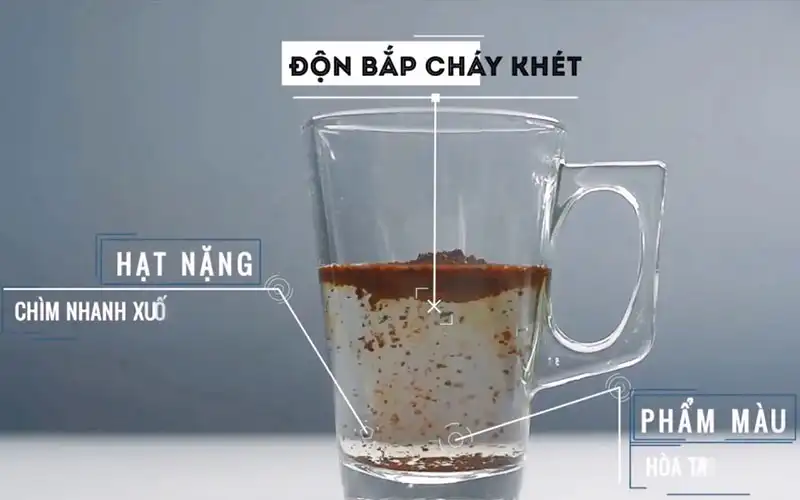
In recent years, “organic coffee” has become one of the most talked-about terms in Vietnam’s coffee industry. From small cafés to major brands, labels like “organic,” “natural,” “clean,” and “pure” appear everywhere.
Yet in a market filled with appealing promises, the most important question is rarely answered clearly: how can you tell what is truly organic coffee, and what is simply a marketing story?
To understand and identify it correctly, we need to return to the essence of organic coffee — not as a label, but as an entire ecosystem of cultivation.
1. What is organic coffee, really?
Organic coffee is not simply "chemical-free." It is a farming method that respects nature at the highest level possible. Farmers do not use synthetic fertilizers, industrial pesticides, or growth stimulants. Instead, they rely on:
- Organic compost from coffee pulp and natural manure
- Balanced ecosystems to control pests
- Intercropping and shade-growing to maintain soil health
In other words, organic coffee is not just a product — it is the result of years of nurturing the soil, the plants, and the surrounding environment.
That’s why truly organic coffee often carries the “imprint” of nature — not perfect, but authentic.
2. Origin matters: real coffee always has a clear story
One of the most reliable indicators of organic coffee is traceability.
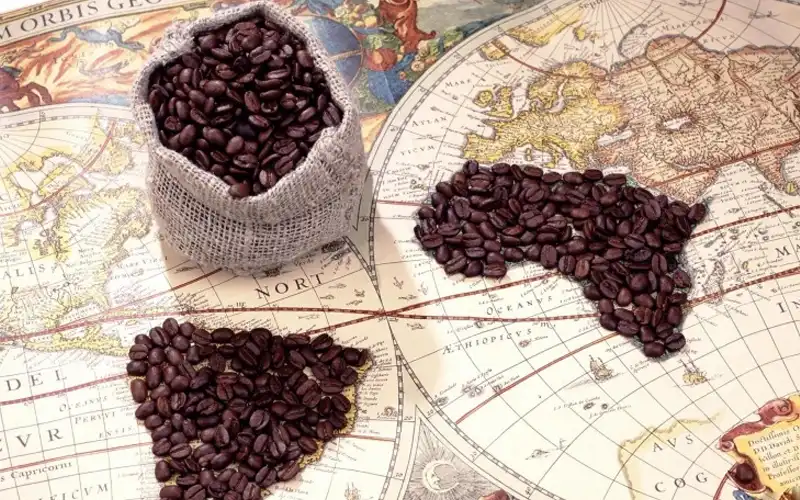
A transparent product will usually tell you:
- The exact growing region (e.g., Lam Dong, Dak Lak, Son La)
- Altitude
- Farming and harvesting methods
- Information about the farm or cooperative
In contrast, products described vaguely as “natural” or “mountain essence” often lack real data. The wording may sound appealing, but without verifiable information, it’s just a surface layer.
A simple rule: the more authentic the coffee, the more specific the information.
3. Organic certification: a “passport” of trust
In the global coffee industry, certifications like USDA Organic, EU Organic, or JAS are not decorative labels. They represent strict verification processes — from soil and water to the entire production chain.
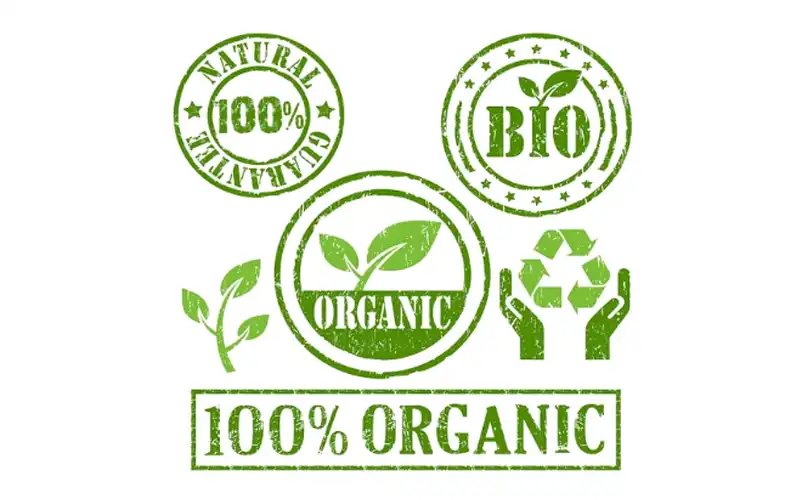
Certified products usually include:
- Official certification logos
- Traceable certification codes
- Information about the certifying body
That said, not all naturally grown coffee is certified. In Vietnam, many small farms follow organic or near-organic practices but lack the resources to obtain international certifications.
So while certification is a strong plus, it is not the only factor. Transparency and consistency remain more important.
4. Visual cues: coffee beans don’t lie
Coffee beans can reveal a lot if you look closely.
Naturally grown coffee often:
- Isn’t overly shiny (no oil coating)
- Has slightly uneven color
- Shows small imperfections due to minimal industrial processing
On the other hand, beans that look perfectly uniform and glossy may have undergone additional processing or coating.
Here, imperfection is often a sign of authenticity.
5. Aroma: subtle rather than overpowering
One of the clearest differences lies in the aroma.
Naturally grown, properly roasted coffee tends to have:
- A gentle, pleasant fragrance
- Layered notes (fruit, chocolate, nuts…)
- No harsh or overwhelming smell
- Clear, clean liquid
- Balanced acidity, bitterness, and sweetness
- A smooth, clean finish
- Tastes harsh and unbalanced
- Leaves a heavy or “dirty” aftertaste
- Feels unpleasant after drinking
- “Pure coffee” is not the same as “organic”
- “Clean coffee” has no clear standard
- “Natural” may just be a description, not a farming methods
- Variety
- Growing altitude
- Processing methods
- Roasting techniques
- Better for health
- More environmentally friendly
- More sustainable for farmers
- Clear origin
- Transparent information
- Real tasting experience
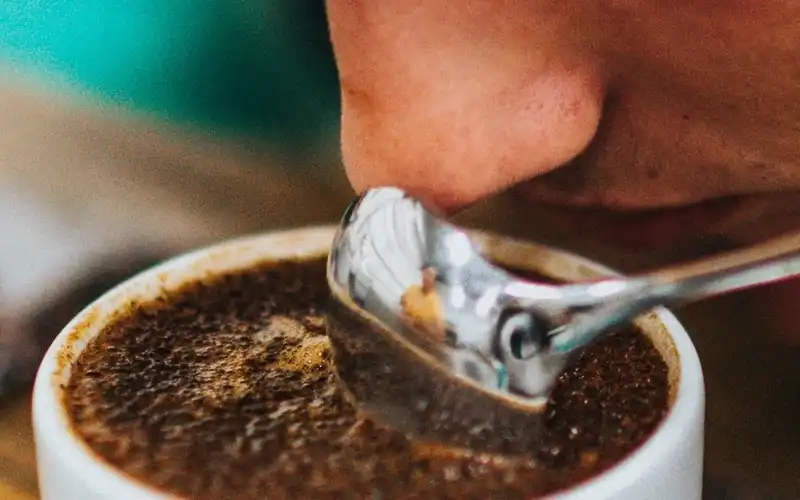
Meanwhile, artificially flavored coffee often smells strong and immediate — striking at first, but lacking depth and becoming unpleasant over time.
6. Brewing: the final test is in the cup
No matter how appealing the packaging or story is, the truth always reveals itself in the cup.
A good organic coffee typically has:
In contrast, low-quality or adulterated coffee often::
This is where all marketing layers fall away.
7. Price: simple but effective logic
Organic farming requires more effort, yields less, and carries higher risks. As a result, organic coffee is rarely cheap.
If a product is labeled “organic” but priced the same as or lower than regular coffee, it’s worth questioning.
Price isn’t everything — but it usually reflects part of the truth.
8. Common misconceptions to avoid
Many people confuse these concepts:
Understanding the terminology is the first step to avoiding misleading claims.
9. A realistic perspective: organic isn’t everything
Let’s be clear: organic coffee is not always better in taste.
Coffee quality depends on many factors:
A great cup of coffee is the result of all these elements — not just farming methods.
However, organic coffee offers other values:
That’s why more people are willing to pay a premium for it.
In a market where anyone can tell a good story, a smart consumer is someone who asks the right questions.
Instead of trusting appealing words, look for:
Real organic coffee doesn’t need excessive marketing. It reveals itself through how it is grown, how it is roasted, and how it feels on your palate.
And once you become familiar with that authenticity, you’ll realize: a good cup of coffee is not just something to drink — it’s something to understand and experience.
References
USDA Organichttps://www.usda.gov/topics/organic
→ U.S. organic standards that clearly define the requirements for organic farming, processing, and labeling.
European Commission Organic Farming
https://agriculture.ec.europa.eu/farming/organic-farming_en
→ The European Union’s organic standards, widely applied in international trade.
IFOAM - Organics International
https://www.ifoam.bio
→ A leading international organization in organic agriculture, providing standard principles and definitions.
Specialty Coffee Association
https://sca.coffee
→ Resources on coffee quality, flavor, and sensory evaluation (very useful for understanding the difference between “good” and “organic”).
Rainforest Alliance
https://www.rainforest-alliance.org
→ Although not 100% organic, it is an important standard for sustainable farming and traceability.
Fairtrade International
https://www.fairtrade.net
→ Focuses on farmers’ welfare and transparent supply chains (closely related to organic coffee).
vno coffee bean
https://organiccoffee.vn
Organic Agriculture and the Future of Sustainable Development
Sales Department
Company Information
📖 Bài viết liên quan
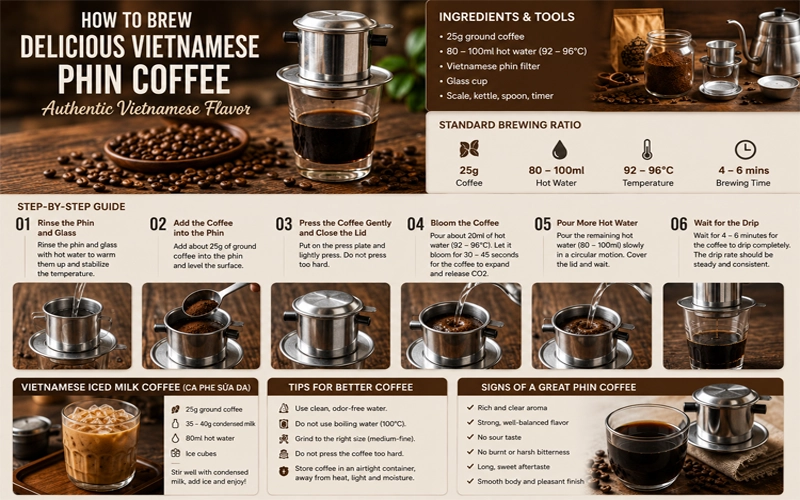
HOW TO BREW DELICIOUS VIETNAMESE PHIN COFFEE WITH RICH, LONG-LASTING FLAVOR
Vietnamese phin coffee is a unique and iconic part of Vietnam’s coffee culture. Without the need for...
Đọc tiếp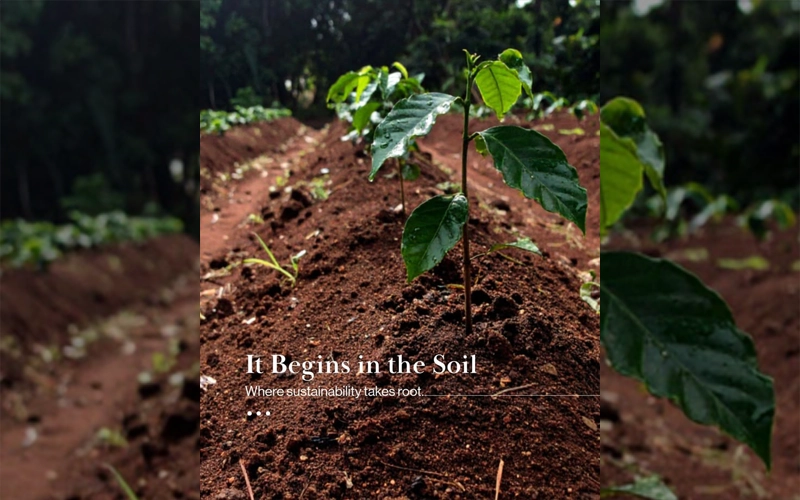
WHAT IS ORGANIC COFFEE? HOW IS IT DIFFERENT FROM REGULAR COFFEE?
Organic coffee is coffee that is grown and produced using natural farming methods, with little to no...
Đọc tiếp