WHAT IS ORGANIC COFFEE? HOW IS IT DIFFERENT FROM REGULAR COFFEE?
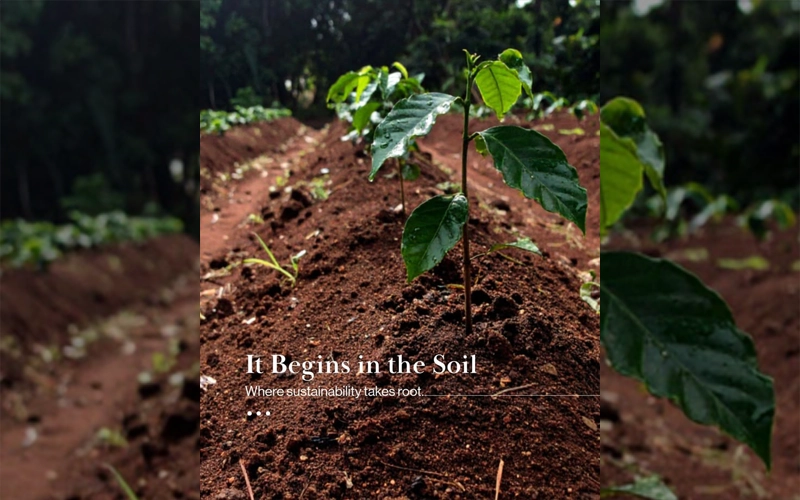
Organic coffee is coffee that is grown and produced using natural farming methods, with little to no use of chemical fertilizers, synthetic pesticides, growth stimulants, or genetically modified organisms (GMOs).
1. What Is Organic Coffee?
Organic coffee is coffee that is grown and produced using natural farming methods, with little to no use of chemical fertilizers, synthetic pesticides, growth stimulants, or genetically modified organisms (GMOs).
Instead of relying on industrial chemicals, organic coffee farmers prioritize:
- Natural compost
- Organic microbial fertilizers
- Sustainable farming techniques
- Natural ecosystems
- Biological pest control methods
Simply put: Organic coffee is coffee grown in harmony with nature rather than relying on chemicals to maximize production.
2. Why Is Organic Coffee Becoming More Popular?
In recent years, consumers have become increasingly concerned about:
- Food quality
- Long-term health
- Product origin
- Environmental sustainability
- Transparent production processes
Not only in Europe and the United States, but also in Vietnam, more people are searching for:
- Clean coffee
- Naturally roasted coffee
- Pure coffee
- Organic coffee
- Naturally cultivated coffee
References: Vietnam Ministry of Agriculture and Rural Development (MARD), Vietnam Coffee-Cocoa Association (VICOFA).
3. How Is Organic Coffee Grown?
Producing a truly organic cup of coffee is not simple. Farmers must follow strict farming standards throughout the entire cultivation process.
3.1 No Synthetic Pesticides or Herbicides
This is one of the most important principles of organic coffee farming.
Instead of using chemical weed killers or pesticides, farmers apply:
- Natural predators
- Biological traps
- Crop rotation
- Biodiverse ecosystems
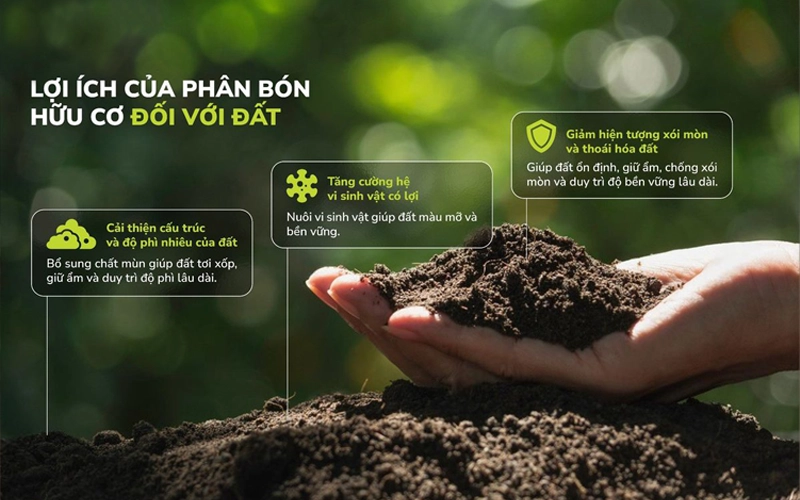
3.2 Using Organic Fertilizers
Plant nutrients mainly come from:
- Composted coffee pulp
- Decomposed animal manure
- Microbial fertilizers
- Biological preparations
3.3 Shade-Grown Cultivation
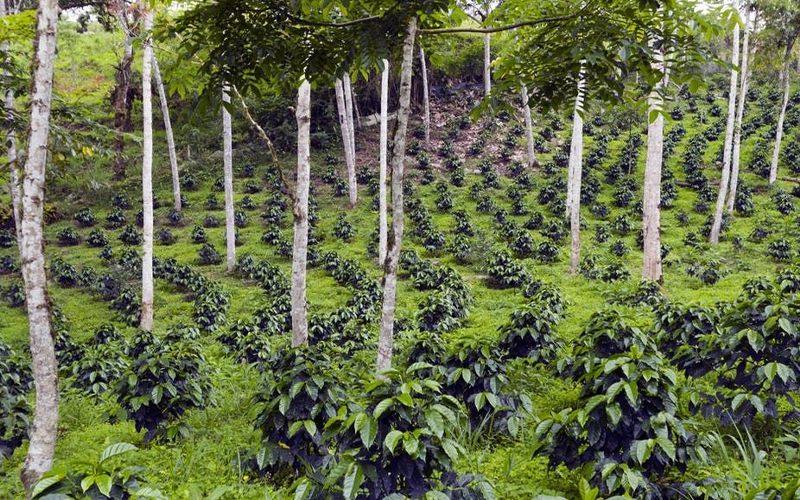
Many organic coffee farms grow coffee under the shade of larger trees to create a more stable growing environment.
This method helps:
- Retain soil moisture
- Reduce soil erosion
- Increase biodiversity
- Allow coffee cherries to ripen more slowly and evenly
3.4 Selective Harvesting
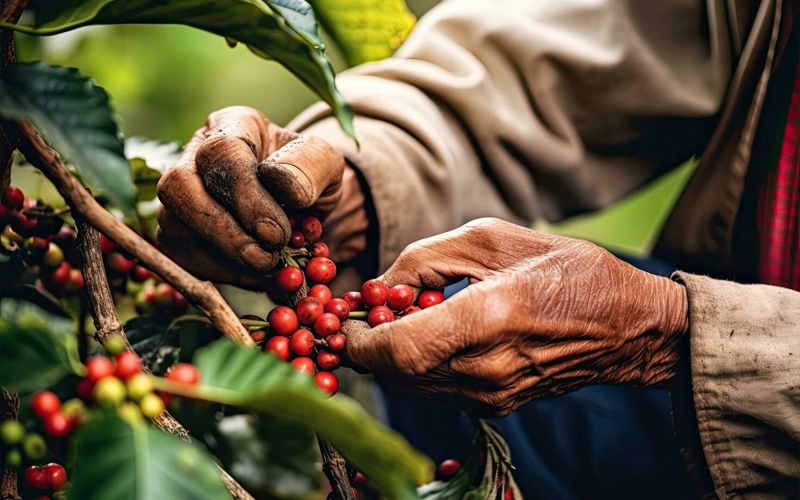
Organic coffee is often hand-picked, with priority given to fully ripe red cherries.
This helps:
- Reduce unripe beans
- Improve consistency
- Enhance natural sweetness
- Preserve the original flavor of the coffee bean
4. How Is Organic Coffee Different from Regular Coffee?
| Criteria | Organic Coffee | Regular Coffee |
|---|---|---|
| Fertilizers | Natural organic fertilizers | Chemical fertilizers |
| Pest control | Biological methods | Synthetic chemicals |
| Environmental impact | Eco-friendly | May cause pollution |
| Yield | Usually lower | Higher |
| Flavor | Natural and balanced | Often stronger or harsher |
| Price | Higher | Lower |
| Soil quality | Sustainable | More prone to degradation |
| Consumer confidence | Higher | Depends on the source |
5. Does Organic Coffee Taste Better?
The answer is: not always, but it often tastes more natural and smoother.
Coffee flavor depends on many factors, including:
- Coffee variety
- Growing altitude
- Processing methods
- Roasting techniques
- Brewing methods
However, many long-time coffee drinkers believe organic coffee often has:
- A smoother aftertaste
- Less bitterness
- More natural aromas
- A clearer coffee flavor profile
6. Is Organic Coffee Better for Your Health?
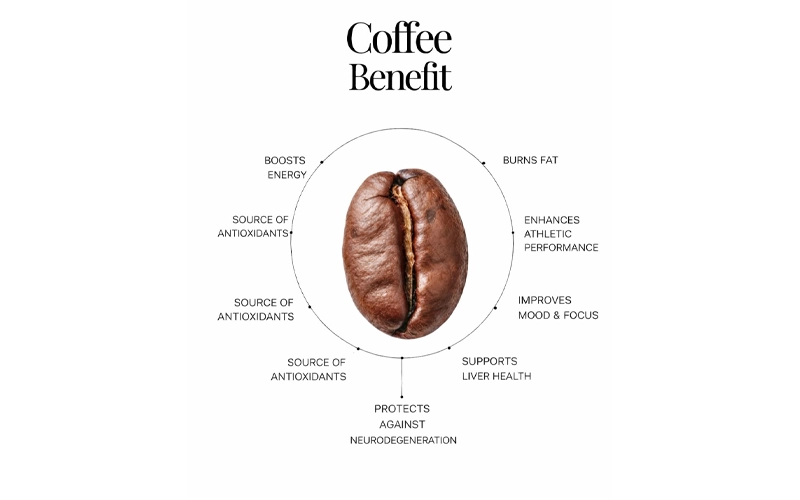
Many people choose organic coffee because they want to reduce exposure to agricultural chemical residues.
Some commonly mentioned benefits include:
Reduced Risk of Chemical Residues
Since synthetic pesticides are not used, consumers often feel more confident about drinking it regularly over the long term.
Fewer Additives
Some commercial coffee products may contain:
- Artificial flavorings
- Flavor enhancers
- Coloring agents or bitterness enhancers
A More Natural Coffee Experience
Drinkers can more easily notice:
- Natural sweetness
- Natural sweetness
- Clear aftertaste
- Flavor differences between growing regions
Reference: FAO – Food and Agriculture Organization of the United Nations.
7. Is Organic Coffee Completely Clean?
This is a common misconception.
“Organic” does not mean absolutely perfect or 100% chemical-free under all circumstances. To obtain organic certification, a product must go through:
- Strict control processes
- Land conversion periods
- Regular inspections
- Clear traceability systems
That is why consumers should prioritize brands that provide:
- Clear origins
- Transparent production methods
- Detailed product information
- Reputable certifications when available
8. Common Organic Coffee Certifications
USDA Organic
A widely recognized organic certification standard from the United States.
EU Organic
The European Union’s organic certification with strict production standards.
JAS Organic
Japan’s official organic certification system.
Rainforest Alliance
A certification focused on sustainable production, environmental protection, and farmer support.
9. Why Is Organic Coffee More Expensive?
Higher Farming Costs
Organic farming requires more labor, monitoring, and management compared to industrial farming methods.
Lower Yield
Without growth stimulants, coffee production is usually lower
Longer Cultivation Time
The soil needs time to recover and meet organic standards.
Expensive Certification Processes
International organic certifications require strict inspections and ongoing compliance, which can be costly.
10. Should You Drink Organic Coffee Every Day?
If you enjoy pure coffee and care about long-term health, organic coffee is worth considering.
It is especially suitable for people who:
- Drink coffee regularly
- Care about clean food
- Prefer natural flavors
- Want to avoid unnecessary additives
11. How to Identify High-Quality Organic Coffee
Clear Product Origin
Consumers should know:
- The growing region
- The coffee variety
- The production process
Naturally Roasted Coffee
Naturally roasted coffee usually does not appear overly oily and does not have an excessively strong artificial aroma.
Transparent Information
Reliable producers often publicly share:
- Images of coffee farms
- Processing methods
- Production standards
Natural Flavor Profile
Authentic organic coffee often has:
- Less harsh bitterness
- A clean aftertaste
- Natural aromas
- Less burnt or overly sharp flavor
12. The Organic Coffee Trend in Vietnam
Vietnam is currently one of the world’s largest coffee exporters.
Many coffee-growing regions such as:
- Dak Lak
- Lam Dong
- Gia Lai
- Kon Tum
- Dak Nong
According to the Vietnam Coffee-Cocoa Association, demand for clean and high-quality coffee continues to grow strongly in both domestic and international markets.
When people first learn what organic coffee is, many simply think of it as “clean coffee.” However, the real value of organic coffee also lies in its sustainability for the environment, soil, water resources, and human health.
Although organic coffee is often more expensive than regular coffee, it offers:
- More natural flavors
- Greater peace of mind
- More sustainable production methods
- A more authentic coffee experience
References
1. Vietnam Ministry of Agriculture and Rural Development (MARD)
Organic Agriculture in Vietnam
MARD Official Website
2. Vietnam Coffee-Cocoa Association (VICOFA)
Vietnam Coffee Industry Reports and Sustainable Farming Trends
VICOFA Official Website
3. Food and Agriculture Organization of the United Nations (FAO)
Organic Agriculture and Sustainable Farming
FAO Official Website
4. United States Department of Agriculture (USDA)
USDA Organic Regulations and Standards
USDA Organic
5. European Commission
EU Organic Farming Standards
EU Organic Farming
6. Rainforest Alliance
Sustainable Coffee Farming Practices
Rainforest Alliance Official Website
7. International Coffee Organization (ICO)
Global Coffee Market Reports
International Coffee Organization
8. Specialty Coffee Association (SCA)
Sustainable and Specialty Coffee Resources
Specialty Coffee Association
9. World Health Organization
Food Safety and Sustainable Agriculture
World Health Organization Official Website
10. Research Institute of Organic Agriculture (FiBL)
Global Organic Farming Statistics
FiBL Official Website
11. Organic Coffee - VNO Coffee Bean
Roastery Coffee
Organic Coffee
Sales Department
Company Information
📖 Bài viết liên quan
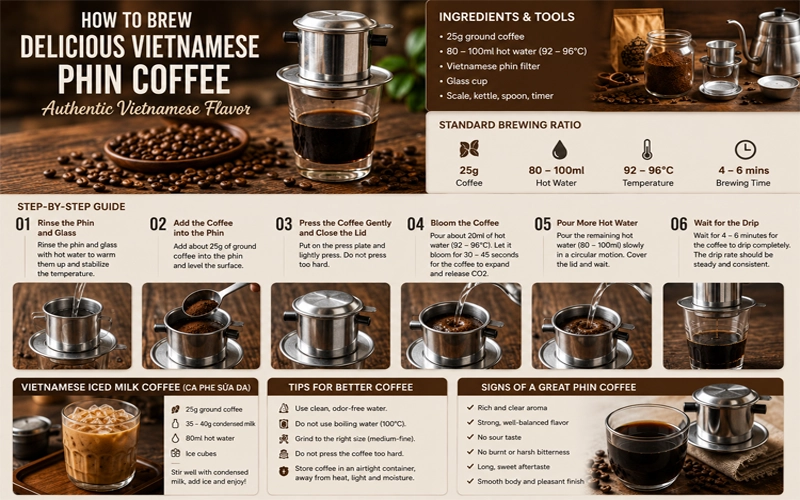
HOW TO BREW DELICIOUS VIETNAMESE PHIN COFFEE WITH RICH, LONG-LASTING FLAVOR
Vietnamese phin coffee is a unique and iconic part of Vietnam’s coffee culture. Without the need for...
Đọc tiếp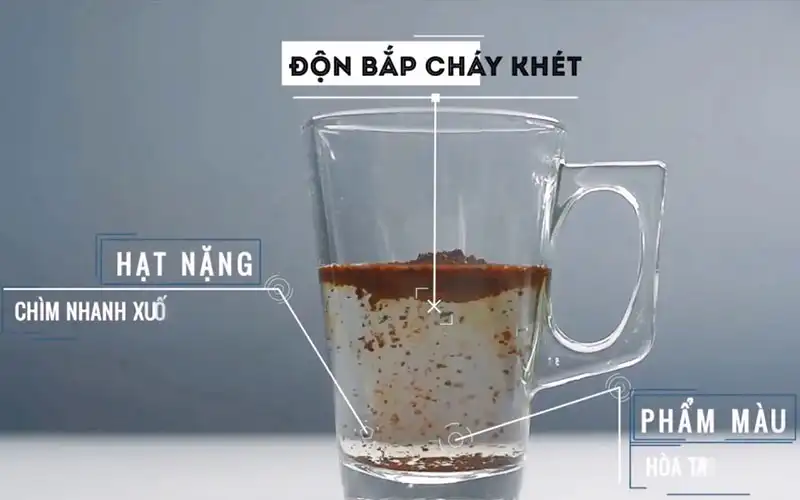
HOW TO IDENTIFY REAL VS. FAKE ORGANIC COFFEE: UNDERSTAND IT RIGHT TO DRINK IT RIGHT
In recent years, “organic coffee” has become one of the most talked-about terms in Vietnam’s coffee ...
Đọc tiếp